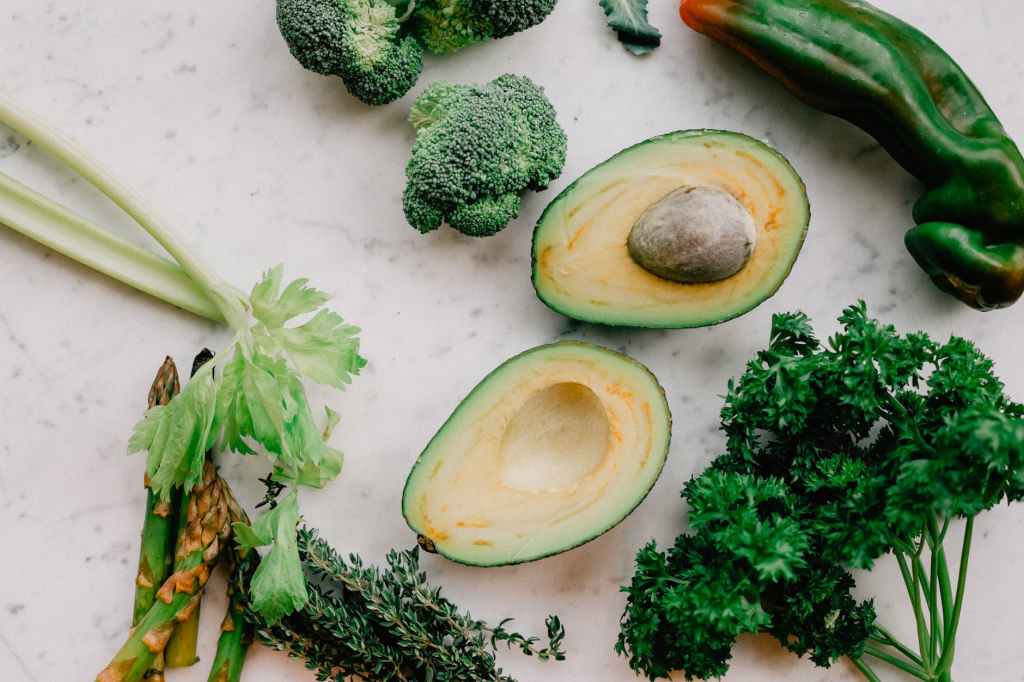
There are many crazy diet trends going around today in our society. It can be tricky to know which ones actually work, how they work for your body, and if they’re actually beneficial. Some promise to shed inches off your waist in no time and others say they will improve your mood or make your heart healthy again. In this post, I’ll discuss two of the most popular diets going around and how they work so you can be better educated when deciding where you go from here.
The Paleo Diet
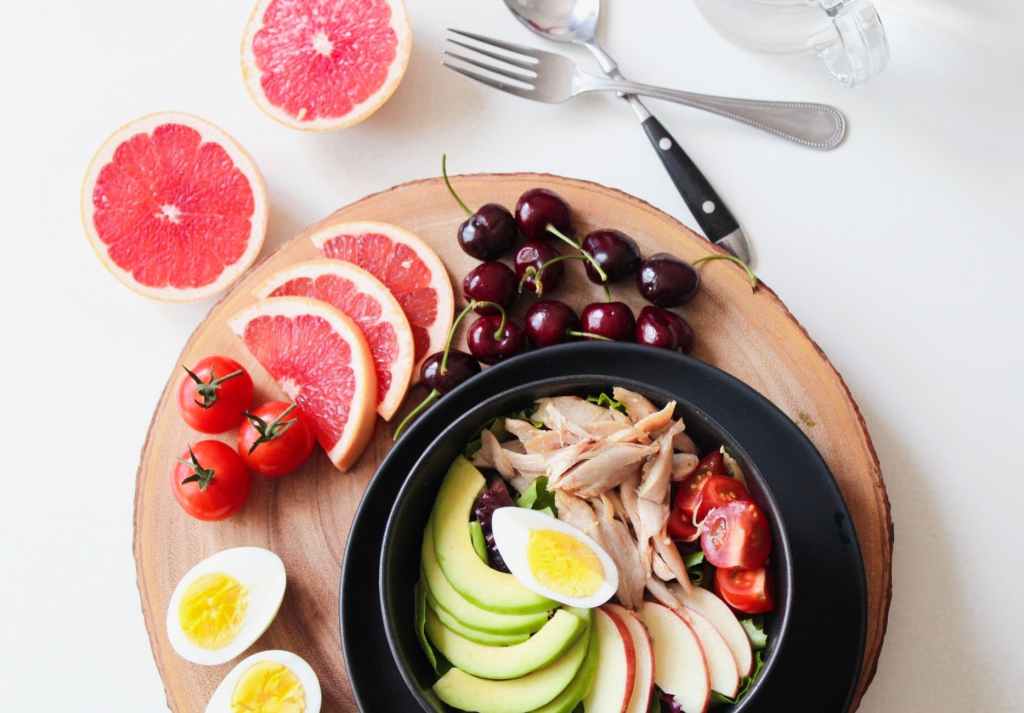
An extremely common diet today is one called the paleo diet. It is named this because it focuses on eating foods that our ancestors would have eaten during the Paleolithic age. The guidelines for it are fairly straight forward; eat like a hunter-gatherer. It encourages lots of fruits, vegetables, nuts, and meat. It restricts the intake of sugar, dairy, and processed foods. The picture above is an example of what a meal for someone on the paleo diet could look like. While on this diet people usually consume significantly less calories and carbs, and more protein. Several evidence based studies have shown success in weight loss and waist circumference. So yes, the paleo diet can be beneficial for weight loss.
A downside to this diet is that with the restriction of dairy and grains your body will be missing some important nutrients and this can lead to deficiencies. However, you can help compensate for this by taking supplements of the vitamins that you aren’t receiving from food.
The Keto Diet
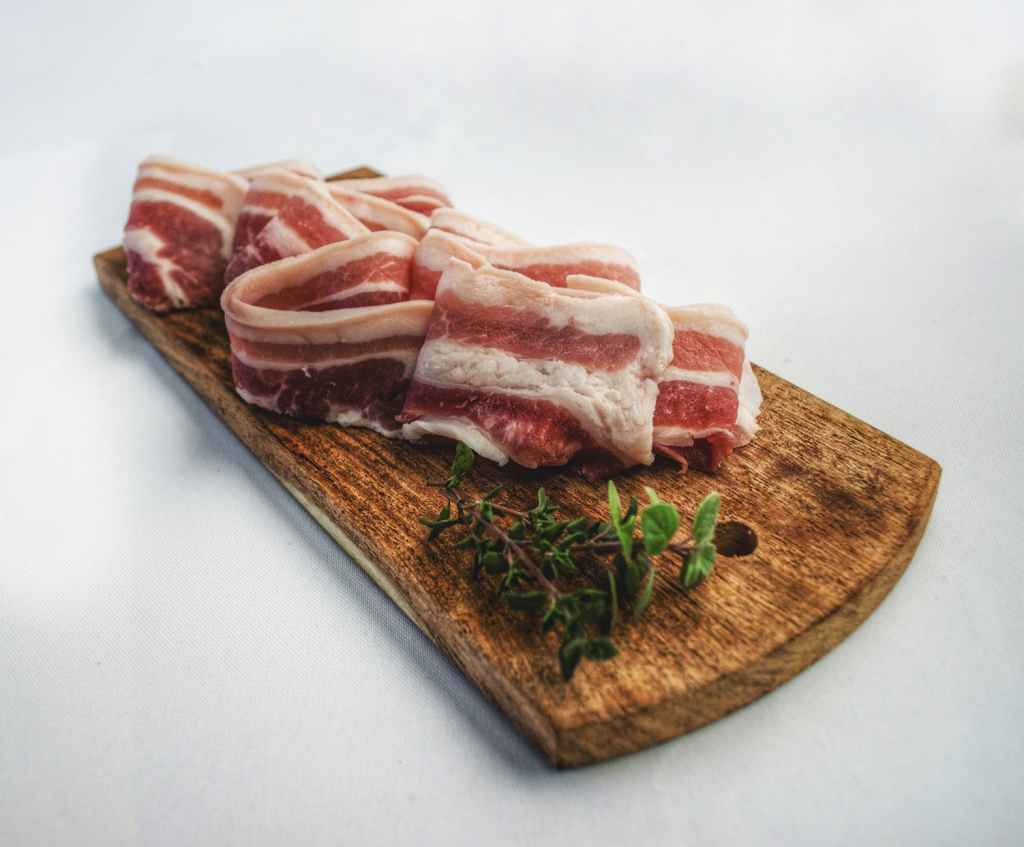
Another popular diet is the keto diet but instead of eating natural, whole foods, like the paleo diet, keto focuses on foods that are high-fat and extremely low-carb. The goal of the diet is to put your body into a state of ketosis, when the body burns fat for fuel, which results in a build up of acids called ketones. Our bodies normally burn carbs for fuel but in the absence of carbs the body will burn stored fat instead. The recommended amount of carbs on keto per day is only around 5 percent or less depending on which plan you follow. This is significantly less than the 45-65 percent that are recommended by most dietary guidelines. Keto encourages foods like eggs, bacon, avocados, and fish and discourages foods like grains, such as oatmeal, pasta and rice as well as beans, sweeteners, and most traditional snack foods.
Shortly after starting keto most people experience something called the keto flu. As your body adapts to using fat instead of carbs you should expect to be sluggish, cranky, nauseous, dehydrated and dizzy similar to when you have the flu. Losing weight is highly likely at the beginning of the diet because the fat you consume keeps you full and your body is simultaneously burning stored fat. However, since the keto diet is so extreme and leaves you feeling lousy, it is very difficult to maintain, especially for long periods of time. Many people have trouble staying consistent and this is arguably the biggest downside to the keto diet.
With all this being said, if you are looking to lose weight a standard healthy diet with a slight caloric deficit partnered with exercise and lots of water is always a good way to start. Diets like the keto or paleo can be effective but are difficult to maintain and aren’t for everyone. Do research to help find out what kind of plan can make you the happiest, healthiest version of yourself. 😉
Some information I used for specifics on the diets can be found here and here.
 Happy, Healthy Beauty